
Seafood pasta recipes bring together tender seafood, flavorful sauces, and comforting pasta in one satisfying meal.
Whether you prefer shrimp, scallops, mussels, or a combination, there are plenty of simple ways to prepare them at home.
Moreover, the right pasta, sauce, and cooking method can make a noticeable difference in flavor and texture.
With a few practical tips, you can create delicious seafood pasta without ending up with dry or rubbery seafood.
Why Seafood Pasta Makes an Easy Dinner
Seafood pasta is a useful choice when you want a meal that feels special without requiring complicated preparation. In addition, many seafood options cook quickly, while pasta provides a filling base that works with a wide range of sauces. Seafood Pasta Recipes
For example, shrimp can cook in only a few minutes, making it suitable for busy evenings. Meanwhile, mussels and clams can add a rich briny flavor to tomato-based or broth-style sauces. Similarly, scallops bring a slightly sweet taste and delicate texture when cooked properly.
Another advantage is flexibility. You can prepare seafood pasta with a creamy sauce, fresh tomatoes, garlic and olive oil, lemon butter, or a light seafood broth. Start seafood that takes longer to cook first, then add quick-cooking ingredients later.For another convenient protein option, check out our healthy rotisserie chicken recipes for easy and nutritious meal ideas.
Best Seafood to Use in Pasta Recipes

Choosing the right seafood is one of the most important steps. Since different types vary in flavor, texture, and cooking time, combining them thoughtfully can produce better results.
Shrimp
Shrimp is one of the easiest seafood choices for pasta because it cooks quickly and pairs well with almost every common sauce. For instance, its mildly sweet flavor works especially well with garlic, lemon, butter, tomatoes, cream, and herbs.
For best results, avoid cooking shrimp for too long. They are generally ready when they become opaque and curl into a loose “C” shape. However, if they curl tightly, you may have cooked them longer than necessary.
Scallops
Scallops have a delicate sweetness and can make a simple pasta dish feel more restaurant-style. In particular, they are excellent with butter, garlic, lemon, and light cream sauces.
Before cooking, pat scallops dry with paper towels. Otherwise, excess moisture can prevent proper browning. Instead, a dry surface helps them develop a flavorful golden crust.Seafood Pasta Recipes
Mussels and Clams
Mussels and clams are excellent choices for pasta dishes with tomato, garlic, broth, or seafood stock. Furthermore, their natural juices can contribute additional flavor to the sauce.
Always clean them properly before cooking. For safety, discard any shellfish that remain open and do not close when handled, and discard shells that do not open during cooking.
Crab, Lobster, and Other Options
Crab and lobster offer a richer, slightly sweet flavor and work beautifully with lighter sauces. Because these seafood choices can be more delicate and expensive, they are often better added toward the end of cooking.
You can also combine different seafood, but avoid adding everything at once. Instead, consider the cooking time of each ingredient so that every piece reaches the right texture.
Best Pasta Shapes for Seafood
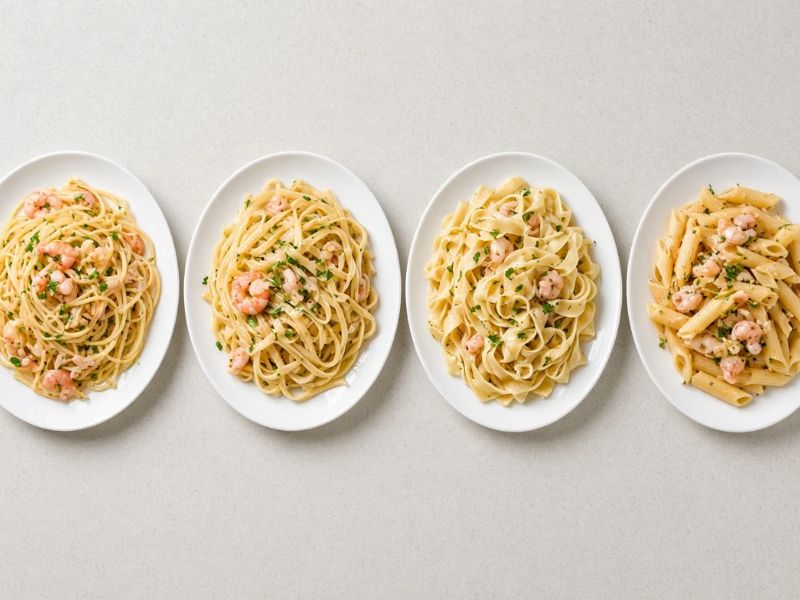
The shape of pasta can affect how well the sauce and seafood come together. Generally, long pasta varieties are particularly useful for smooth or light sauces because they allow the sauce to coat each strand.
Spaghetti works well with garlic, tomato, and olive-oil-based sauces. Likewise, linguine is another excellent option for seafood because its slightly wider shape holds light sauces effectively.
For creamy sauces, fettuccine can provide a substantial base. On the other hand, short pasta shapes such as penne can work with chunky seafood mixtures because the sauce collects inside the pasta.
Ultimately, the key is to match the pasta with the sauce rather than choosing a shape simply because it is available.
Popular Seafood Pasta Recipes to Try
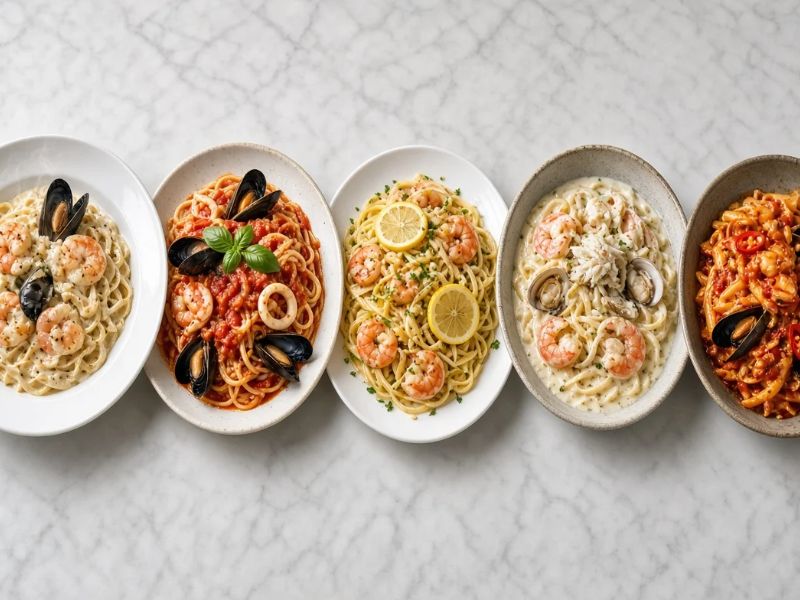
There is no single way to prepare seafood pasta. Instead, you can build different versions around the seafood and sauce combination you enjoy most.
Creamy Garlic Seafood Pasta
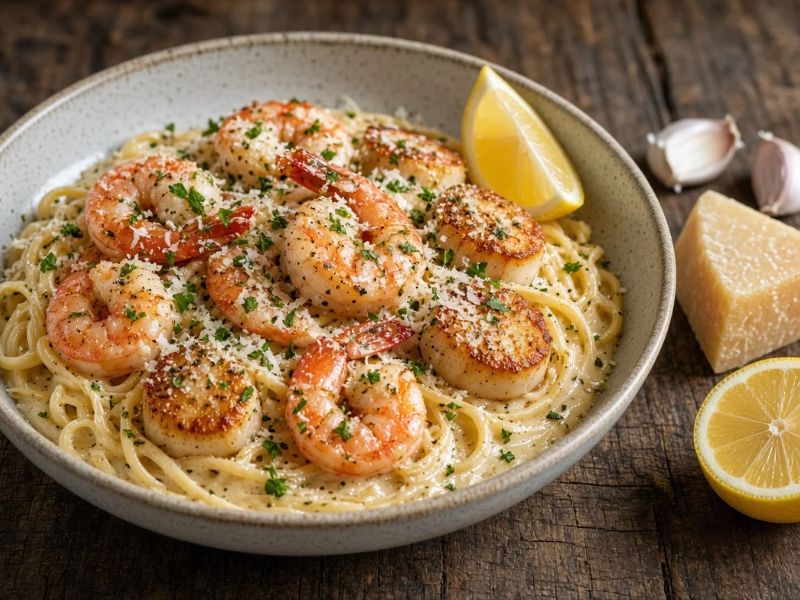
A creamy garlic version is ideal when you want a rich and comforting dinner. For example, shrimp, scallops, or a mixture of seafood can be combined with garlic, cream, Parmesan, black pepper, and herbs.
Cook the seafood separately or add it near the end so it does not become tough. Then, combine the cooked pasta with the sauce and a small amount of reserved pasta water.
The pasta water helps loosen the sauce while also helping it cling to the noodles. In addition, a little lemon juice at the end can brighten the creamy mixture without making it overly acidic.
Seafood Marinara Pasta

Tomato-based seafood pasta offers a lighter alternative to cream sauces. For this reason, it can be a good choice when you want a flavorful meal without a heavy sauce. Crushed tomatoes, garlic, onion, herbs, and seafood create a combination that works especially well with spaghetti or linguine.
Shrimp, mussels, clams, and squid can all work in a marinara-style dish. However, they should not all be treated exactly the same way because their cooking times differ.
Therefore, add quick-cooking seafood later, while shellfish that require more time can be introduced earlier according to the recipe. This helps maintain a pleasant texture throughout the dish.
Lemon Garlic Shrimp Pasta
Lemon garlic shrimp pasta is a practical option when you want something fresh and relatively simple. In this version, garlic, olive oil or butter, lemon juice, parsley, and shrimp create a bright flavor profile.
Because the sauce is light, it allows the shrimp to remain the main focus. Meanwhile, spaghetti or linguine works particularly well here.
For better flavor, add lemon gradually rather than pouring in a large amount at once. That way, it becomes easier to balance the acidity with butter, olive oil, or a little pasta water.
Seafood Linguine with White Sauce
Linguine with a light white sauce can combine shrimp, scallops, mussels, or other seafood with garlic and a creamy base. As a result, it creates a comforting dish with a smooth texture.
The slightly wider pasta helps hold the sauce while providing enough surface area for seafood pieces to mix evenly throughout the dish.
Keep the sauce moderately thick. If it becomes too heavy, add reserved pasta water a little at a time until the desired consistency is reached.
Spicy Tomato Seafood Pasta
For a stronger flavor, add chili flakes or fresh chili to a tomato-based seafood sauce. In addition, garlic, tomatoes, herbs, and seafood create a balanced combination of heat, acidity, and savory flavor.
This version is especially suitable for people who prefer bold meals. However, start with a small amount of chili and increase it gradually because excessive heat can overpower the seafood.
How to Make Seafood Pasta Without Overcooking the Seafood
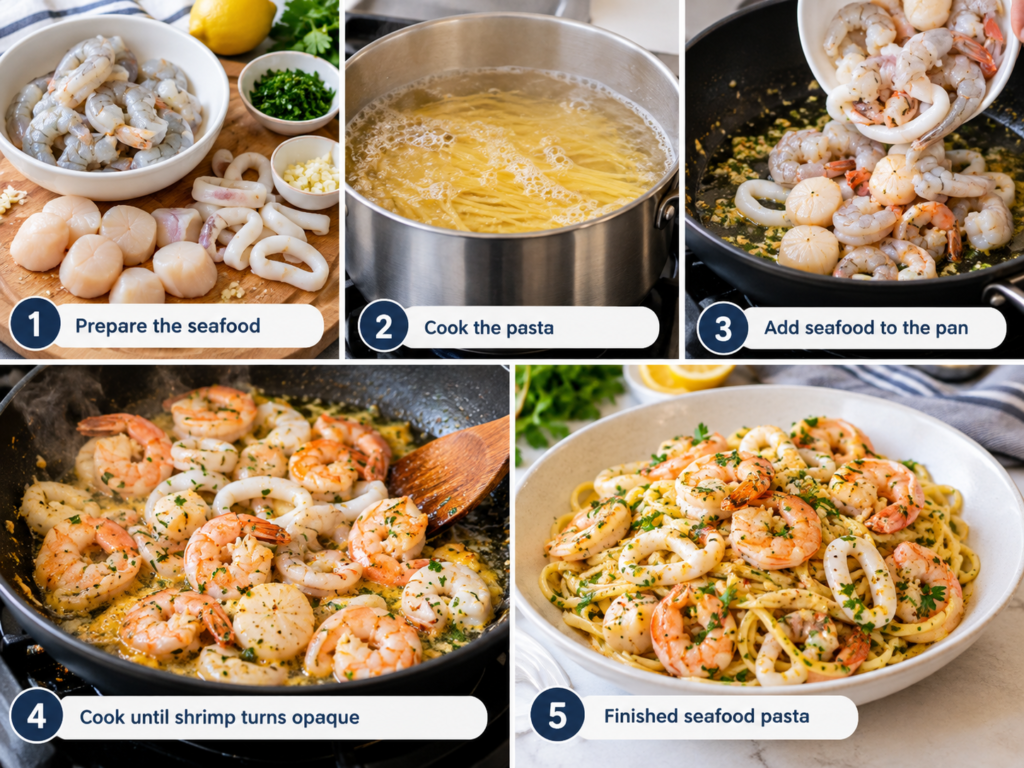
Overcooked seafood is one of the most common problems with homemade seafood pasta. For example, shrimp can become rubbery, scallops can turn firm, and delicate seafood can lose its natural texture when exposed to heat for too long.
First, prepare all ingredients before cooking. Seafood generally cooks quickly, so having the pasta, sauce, herbs, and seasonings ready prevents unnecessary delays.
Next, pay attention to the cooking order. Seafood that takes longer can be started first, while quick-cooking ingredients such as shrimp can be added later.
Also, remember that seafood can continue cooking from residual heat. Therefore, removing it from intense heat as soon as it reaches the appropriate stage can help prevent overcooking.
Finally, do not rely only on a fixed cooking time. The size and thickness of seafood pieces can change how quickly they cook.
Fresh vs. Frozen Seafood: Which Is Better?
Both fresh and frozen seafood can work well in pasta. Ultimately, the better option depends on availability, quality, budget, and how quickly you plan to cook.
Fresh seafood can provide excellent texture when it has been handled and stored properly. However, “fresh” does not automatically mean better if the seafood has been stored for too long.
Frozen seafood is convenient because it can be kept available for future meals. Moreover, it can be a practical option when certain seafood varieties are difficult to find locally.
If using frozen seafood, thaw it safely according to package instructions and drain excess moisture before cooking. Otherwise, extra water can dilute the sauce and interfere with browning.
In addition, for mixed seafood products, check the package instructions because different combinations may require different preparation methods.
How to Build a Flavorful Seafood Pasta Sauce
The sauce should complement the seafood rather than hiding its natural flavor. Fortunately, a few basic combinations can create very different results.
Creamy Garlic Sauce
Cream, garlic, Parmesan, butter, black pepper, and parsley can create a smooth sauce with a rich flavor. Because seafood can already have a delicate taste, keep the garlic and cheese balanced.
Additionally, a small amount of pasta water can make the sauce smoother and help it coat the pasta.
Tomato-Based Sauce
Tomatoes provide acidity that can balance richer seafood. Furthermore, garlic, onion, basil, parsley, chili, and olive oil can add additional depth.
A tomato sauce also works particularly well with mussels, clams, shrimp, and squid. As a result, it is a versatile option for different seafood combinations.
Lemon Garlic or Butter Sauce
For a lighter meal, combine garlic with butter or olive oil and finish with lemon and herbs. In particular, this style is especially suitable for shrimp, scallops, and crab.
Add lemon toward the end so its fresh flavor remains noticeable. However, too much acidity can make the dish taste unbalanced.
Common Seafood Pasta Mistakes to Avoid
Small cooking mistakes can make a noticeable difference in the finished dish. Fortunately, most are easy to prevent.
- Overcooking the seafood: Therefore, add quick-cooking seafood later and watch its texture carefully.
- Using too much sauce: Instead, the pasta should be coated rather than swimming in sauce.
- Skipping properly seasoned pasta water: In addition, seasoned water can improve the flavor of the pasta itself.
- Adding seafood too early: Because different seafood varieties require different cooking times, add them according to their cooking needs.
- Using watery seafood: Therefore, drain thawed seafood thoroughly before cooking.
- Forgetting pasta water: Meanwhile, reserve some before draining because it can help adjust sauce consistency.
- Making the sauce too salty: Since seafood and cheese may already contribute salt, season gradually.
- Choosing the wrong pasta shape: Instead, match the pasta with the consistency and style of sauce.
- Reheating too aggressively: Finally, gentle heat can help prevent seafood from becoming tough.
Easy Substitutions and Variations
Seafood pasta is flexible enough to adapt to the ingredients you already have. Therefore, you do not necessarily need every ingredient listed in a recipe to create a satisfying meal.
If shrimp is unavailable, cooked crab meat or another suitable seafood can be used depending on the recipe. Similarly, linguine can be replaced with spaghetti, fettuccine, or another pasta that works with the sauce.
For a creamy recipe, half-and-half can sometimes be used instead of heavy cream, although the final sauce may be lighter. Likewise, dairy-free versions can use an appropriate plant-based alternative, but the flavor and thickness may change.
Fresh parsley can be replaced with another mild herb, while dried herbs can be used when fresh varieties are unavailable. Just remember, dried herbs are more concentrated, so use them in smaller amounts.
For additional vegetables, spinach, cherry tomatoes, zucchini, bell peppers, or peas can be added according to the sauce and seafood combination. If you are cooking for different preferences, explore our healthy recipes for picky eaters for more simple and flexible meal ideas.
How to Serve Seafood Pasta
Seafood pasta is usually filling on its own, but a few simple sides can complete the meal. For example, a crisp green salad can provide contrast to a creamy pasta dish.
Steamed vegetables are another light option, while crusty bread can be useful for soaking up leftover sauce. In addition, a simple vegetable side can add color and variety to the plate.
For presentation, finish the pasta with chopped parsley, a small amount of grated cheese when appropriate, or a lemon wedge. Finally, keep garnishes simple so the seafood and sauce remain the main focus of the plate.
Storage and Reheating Tips
Leftover seafood pasta should be cooled and refrigerated promptly in a suitable covered container. When storing leftovers, follow current food-safety guidance and avoid keeping cooked seafood at room temperature for extended periods.
For reheating, gentle heat is generally preferable. For example, a skillet over low to medium heat can help warm the pasta gradually.
If the sauce has thickened in the refrigerator, add a small splash of water or suitable stock while reheating. Then, stir gently until the pasta is warm.
Finally, avoid repeatedly reheating the same portion because every additional heating cycle can negatively affect seafood texture.
Seafood Pasta Recipes at a Glance
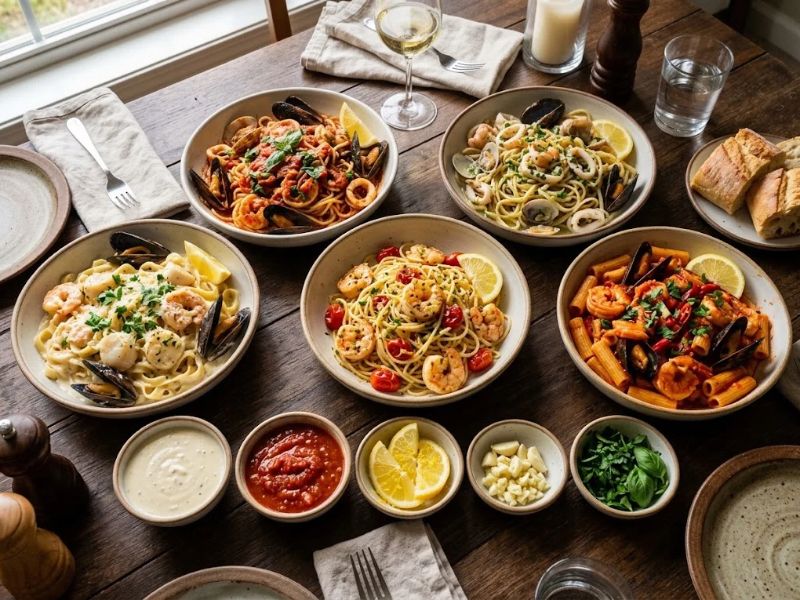
| Recipe Style | Best Seafood | Sauce | Pasta | Best For |
|---|---|---|---|---|
| Creamy Garlic Seafood Pasta | Shrimp, scallops | Creamy garlic | Linguine or fettuccine | Comforting dinners |
| Seafood Marinara Pasta | Shrimp, mussels, clams | Tomato | Spaghetti | Family meals |
| Lemon Garlic Shrimp Pasta | Shrimp | Lemon butter | Spaghetti | Quick weeknight meals |
| Seafood White Sauce Pasta | Mixed seafood | Light cream sauce | Linguine | Rich, elegant dinners |
| Spicy Tomato Seafood Pasta | Shrimp, squid, mussels | Spicy tomato | Penne or spaghetti | Bold flavors |
Conclusion
The best seafood pasta recipes combine well-cooked seafood, properly prepared pasta, and a sauce that supports rather than overwhelms the main ingredients. Whether you choose creamy garlic, tomato marinara, lemon butter, or a spicy variation, careful cooking is the key to keeping seafood tender. Furthermore, by choosing the right pasta shape, adding seafood at the correct time, and using simple flavor-balancing techniques, you can prepare a satisfying seafood pasta meal that is easy enough for a weeknight yet special enough for guests.
Frequently Asked Questions About Seafood Pasta Recipes
What seafood goes best with pasta?
Shrimp, scallops, mussels, clams, crab, and squid all pair well with pasta when matched with a suitable sauce.
What pasta is best for seafood?
Spaghetti and linguine are excellent choices for many seafood dishes, while shorter shapes work well with chunky sauces.
Can I use frozen seafood for pasta?
Yes, frozen seafood can work well when it is thawed properly, drained thoroughly, and cooked according to its type.
How do I stop seafood from becoming rubbery?
Avoid overcooking it and add quick-cooking seafood near the end of the preparation process.
What sauce goes best with seafood pasta?
Creamy garlic, tomato, lemon-butter, and light herb-based sauces can all complement seafood depending on the ingredients used.