
Starting your day with a satisfying meal can make it easier to stay focused and energized throughout the morning. A low calorie breakfast can include wholesome foods that provide protein, fiber, vitamins, and healthy fats without making the meal unnecessarily heavy. The goal is not to skip food, but to choose ingredients that offer good nutrition and lasting satisfaction.
Whether you prefer something sweet, savory, quick, or filling, there are plenty of simple breakfast choices to enjoy. From Greek yogurt and fresh fruit to eggs, oatmeal, smoothies, and whole-grain toast, small ingredient choices can make a big difference. With a little planning, breakfast can be both nutritious and enjoyable.
What Is a Low Calorie Breakfast?
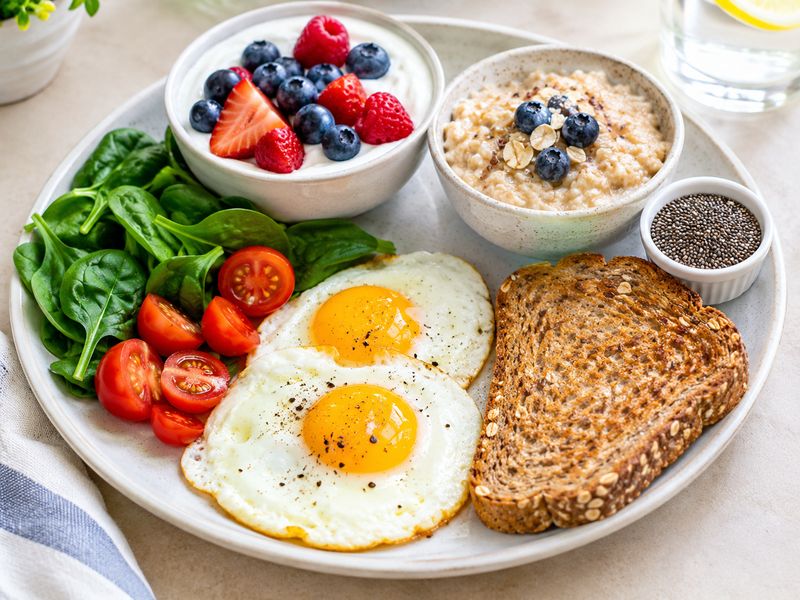
A low calorie breakfast is a morning meal designed to provide useful nutrients while keeping the overall calorie amount relatively modest. However, eating fewer calories does not automatically make a meal healthy. The quality of the ingredients and the balance of nutrients also matter.
For example, a breakfast made with refined sugar may contain fewer calories but may not keep you satisfied for long. On the other hand, a meal containing protein, fiber, and whole foods can provide better nutritional value and help you feel full.
A balanced morning meal may include:
protein-rich foods, fiber-rich carbohydrates, fresh fruit or vegetables, and a moderate amount of healthy fat.
The right combination depends on your personal nutritional needs, activity level, and overall eating pattern.
Why Choose a Low Calorie Breakfast?
A lighter breakfast can be useful for people who prefer smaller morning meals or want to manage their overall calorie intake. It also makes it easier to include more nutritious foods in your everyday routine.
How a Low Calorie Breakfast Can Support a Balanced Diet
Starting your morning with nutritious foods can help you make healthier choices throughout the day.
. Instead of relying on pastries, sugary cereals, or heavily sweetened drinks, you can combine whole foods that provide several important nutrients.
For instance, oatmeal with berries and Greek yogurt offers carbohydrates, protein, and fiber in one meal.
Why a Low Calorie Breakfast Can Help You Stay Satisfied
Calories are only one part of a satisfying meal. Protein and fiber are particularly useful because they can help make a breakfast more filling.
For example, eggs with fresh vegetables make a simple, protein-rich breakfast that can keep you satisfied.
. Similarly, Greek yogurt topped with berries and chia seeds can be a convenient combination of protein and fiber.
Easy Low Calorie Breakfast Options to Prepare
Many nutritious breakfast options require only a few ingredients. Overnight oats can be prepared the night before, while boiled eggs can be cooked ahead of time. Smoothies can also be assembled quickly when you have limited time in the morning.
Healthy Foods for a Low Calorie Breakfast
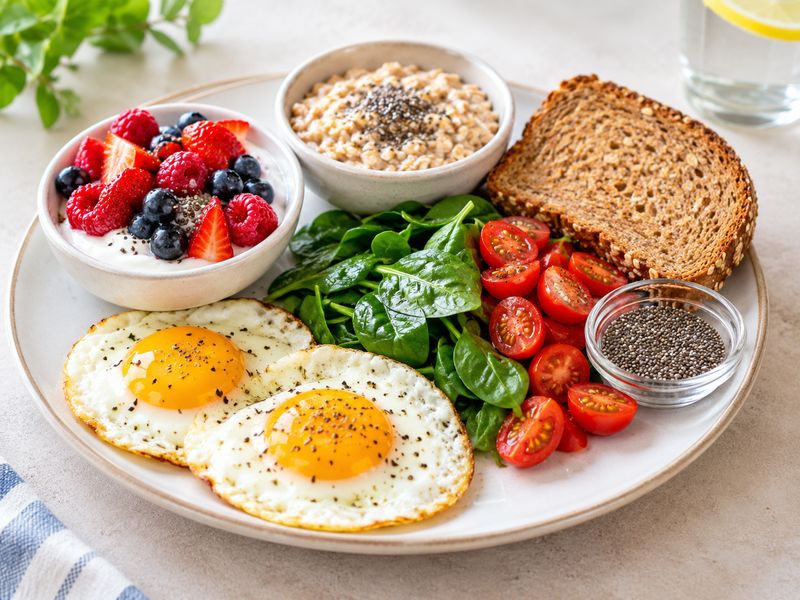
Scrambled or boiled eggs work well with fresh vegetables and a slice of whole-grain toast for a simple and satisfying breakfast.
Eggs for a Low Calorie Breakfast
Eggs are a versatile source of protein and can be prepared in several ways. Enjoy scrambled or boiled eggs with fresh vegetables and a slice of whole-grain toast for a simple and satisfying breakfast.
Adding spinach, tomatoes, mushrooms, or bell peppers can increase the vegetable content without making the meal complicated.
Greek Yogurt
Plain Greek yogurt can be a convenient choice when you want a protein-rich breakfast. Add fresh berries, sliced banana, cinnamon, or a small amount of seeds for additional flavor and nutrients.
Choose plain varieties when possible if you want greater control over added sugar.
Oatmeal
Oats provide carbohydrates and fiber and can be prepared in many different ways. Cook them with water or milk and top them with berries, apple slices, cinnamon, or a small amount of nuts.
For more protein, stir in Greek yogurt or serve the oatmeal alongside an egg.
Fresh Berries
Strawberries, blueberries, raspberries, and blackberries can add natural sweetness and color to breakfast. They can be mixed into yogurt, added to oatmeal, or blended into a smoothie.
Whole-Grain Toast
Whole-grain toast can be a useful base for a quick breakfast. Top it with mashed avocado, cottage cheese, an egg, or a thin layer of natural peanut butter.
Your choice of topping can affect the overall nutrition, so keeping the portion size moderate is a good idea.
Cottage Cheese
Cottage cheese provides protein and can work in both sweet and savory breakfasts. Combine it with fruit and cinnamon for a sweet option or serve it with tomatoes, cucumber, and herbs for a savory meal.
Chia Seeds
Chia seeds can add fiber and healthy fats to breakfast. They work particularly well in overnight oats, yogurt bowls, and homemade chia pudding.
Because seeds are energy-dense, a small serving is usually enough.
Easy Low Calorie Breakfast Ideas
There is no single breakfast that works for everyone. The following combinations can help you create variety throughout the week.
1. Greek Yogurt and Berry Bowl
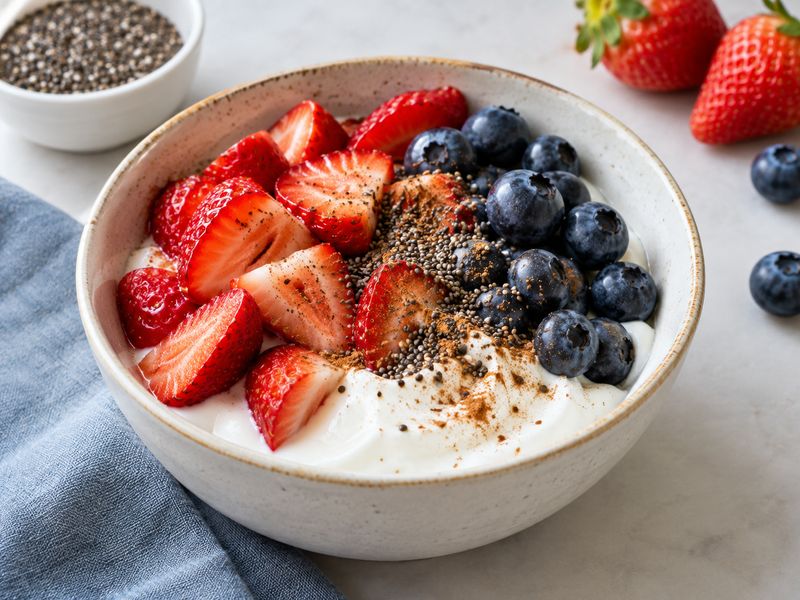
Combine plain Greek yogurt with strawberries or blueberries and a small spoonful of chia seeds. Add cinnamon for extra flavor without relying heavily on sugar.
This option takes only a few minutes to assemble and can be prepared in advance.
2. Vegetable Egg Scramble
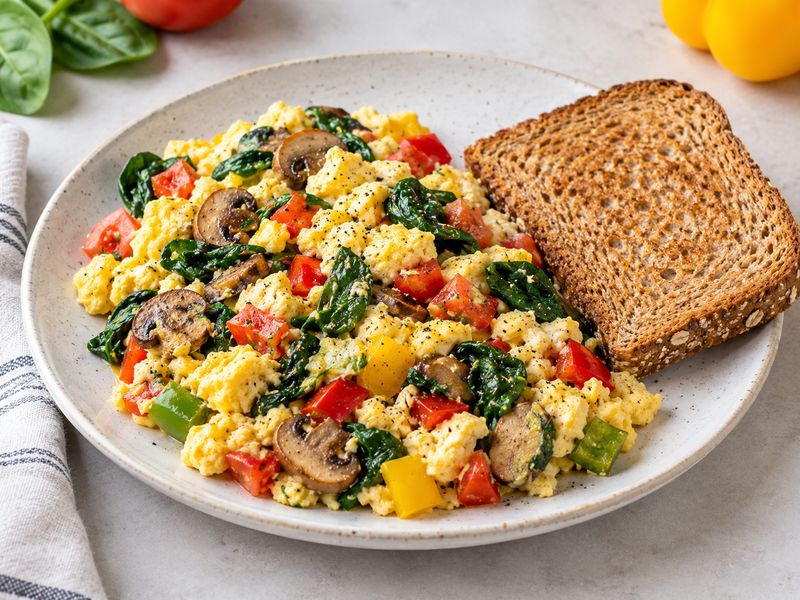
Whisk eggs and cook them with spinach, mushrooms, tomatoes, and bell peppers. Serve with one slice of whole-grain toast if you want additional carbohydrates.
This breakfast is especially useful when you prefer savory foods in the morning.
3. Apple Cinnamon Oatmeal
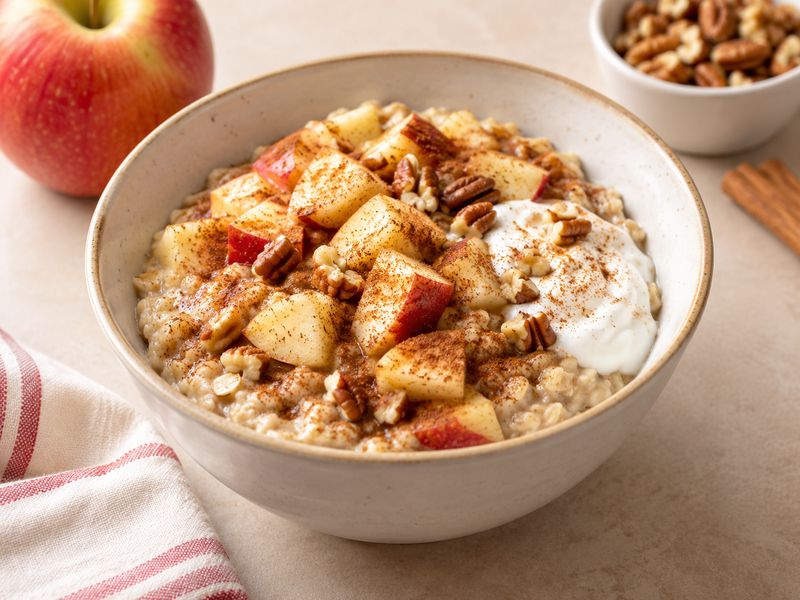
Cook oats with water or milk and add chopped apple and cinnamon.For extra protein, enjoy your oatmeal with Greek yogurt or sprinkle a few nuts on top.
The apple provides natural sweetness while cinnamon adds warmth and flavor.
4. Berry Breakfast Smoothie
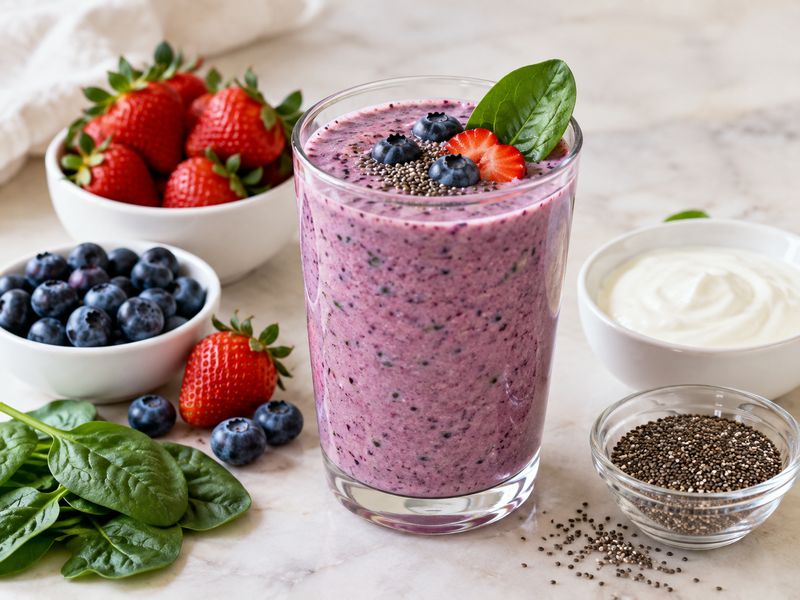
Blend unsweetened milk or yogurt with berries, spinach, and ice. You can add chia seeds or Greek yogurt if you want more protein and fiber.
Avoid adding large amounts of sugar, syrup, or sweetened juice, as these can quickly increase the calorie content.
5. Avocado Egg Toast
Top one slice of whole-grain toast with a moderate portion of mashed avocado and a boiled or poached egg. Add black pepper, tomato, or fresh herbs for extra flavor.
Because avocado contains healthy fats but is calorie-dense, keeping the portion moderate can help maintain balance.
6. Cottage Cheese and Fruit
Serve cottage cheese with sliced peaches, berries, apple, or melon. Add cinnamon or a few seeds for additional texture.
This is a simple choice when you want something cold and quick.
7. Overnight Oats
Mix oats with plain yogurt or milk, chia seeds, and berries in a container. Refrigerate overnight and enjoy the next morning.
Overnight oats are particularly convenient for busy mornings because the preparation happens ahead of time.
A Simple Breakfast Comparison
| Breakfast Idea | Main Ingredients | Key Nutritional Features |
| Greek Yogurt Bowl | Yogurt, berries, chia seeds | Protein and fiber |
| Vegetable Eggs | Eggs, spinach, peppers | Protein and vegetables |
| Apple Oatmeal | Oats, apple, cinnamon | Fiber and carbohydrates |
| Berry Smoothie | Berries, yogurt, spinach | Protein and fruit |
| Avocado Egg Toast | Toast, avocado, egg | Protein, fiber, healthy fats |
| Cottage Cheese Bowl | Cottage cheese, fruit | Protein and fruit |
| Overnight Oats | Oats, yogurt, berries | Fiber and protein |
The exact calorie amount depends on portion sizes and the ingredients used, so it is better to consider the overall nutritional balance rather than relying on a single number.
How to Build a Balanced Low Calorie Breakfast
Creating a nutritious breakfast becomes easier when you think about the different food groups.
Start With Protein
Protein can come from eggs, Greek yogurt, cottage cheese, milk, tofu, beans, or other suitable foods.
Adding a protein source can make a simple breakfast more substantial.
Add Fiber-Rich Foods
Whole grains, oats, berries, apples, vegetables, and seeds are useful sources of fiber. Combining fiber-rich foods with protein can create a more satisfying meal.
Include a Small Amount of Healthy Fat
Foods such as avocado, nuts, seeds, and natural nut butter contain healthy fats. However, portions matter because fats are relatively calorie-dense.
A small serving can add flavor and texture without overwhelming the meal.
Choose Naturally Flavorful Ingredients
Cinnamon, vanilla, fresh herbs, lemon juice, black pepper, garlic, and other seasonings can make breakfast more enjoyable without requiring large amounts of sugar or heavy sauces.
Low Calorie Breakfast Ideas for Busy Mornings
Busy schedules often make breakfast difficult. Fortunately, several options can be prepared in advance.
Prepare Overnight Oats
Make two or three jars at once and store them in the refrigerator. Add fruit just before eating if you prefer a fresher texture.
Boil Eggs Ahead of Time
Hard-boiled eggs can be prepared in advance and paired with fruit, vegetables, or whole-grain toast for a quick breakfast.
Wash and Portion Fruit
Preparing berries, apples, or other fruit ahead of time makes it easier to add them to yogurt, oatmeal, or smoothies.
Make Smoothie Packs
Place smoothie ingredients such as berries and spinach into individual containers or freezer bags. When needed, blend them with yogurt or milk.
Keep Simple Ingredients Available
Having oats, eggs, plain yogurt, fruit, whole-grain bread, and vegetables available can make healthy breakfast choices much easier . For more affordable meal ideas, explore our healthy meals on a budget for simple and practical options.
What to Limit in a Low Calorie Breakfast
A nutritious breakfast does not require completely avoiding certain foods. However, some ingredients can increase the calorie or added-sugar content quickly.
Sugary Drinks
Sweetened coffee drinks, flavored beverages, and sugary juices can add calories without providing the same fullness as whole foods.
Water, unsweetened tea, or plain coffee can be simpler choices.
Large Portions of Nut Butters
Peanut butter, almond butter, and other nut butters can be nutritious, but they are calorie-dense. A moderate portion is usually enough for toast or oatmeal.
Highly Sweetened Cereals
Some breakfast cereals contain significant amounts of added sugar. Reading the nutrition label can help you compare options and choose products that fit your needs.
Heavy Breakfast Pastries
Pastries, donuts, and similar foods can be enjoyable occasionally, but they may provide substantial calories with relatively little protein or fiber.
Instead, consider pairing a smaller portion with a protein-rich food or fruit.
Low Calorie Breakfast for Weight Management
People sometimes choose lower-calorie breakfasts when working toward a weight-management goal. However, breakfast alone does not determine weight change.
Overall food intake, physical activity, sleep, individual metabolism, and many other factors can influence body weight.
A practical approach is to create meals that provide useful nutrition while fitting your personal energy needs. Cutting calories too aggressively may make it harder to maintain a balanced eating pattern.
For this reason, focus on quality, portions, and consistency rather than simply choosing the lowest-calorie food available.
How to Make Breakfast More Filling Without Making It Heavy
A common mistake is to reduce portions so much that breakfast becomes unsatisfying. Instead, focus on foods that provide more nutritional value.
Increase Vegetables
Additionally, adding spinach, mushrooms, tomatoes, peppers, or cucumber can increase the volume and variety of a savory breakfast.
Choose Whole Foods
Whole fruits, vegetables, oats, eggs, yogurt, and whole grains can provide more nutritional value than many highly processed breakfast foods.
Combine Protein and Fiber
For example, try Greek yogurt with berries or eggs with vegetables and whole-grain toast .For more balanced meal ideas later in the day, you can also explore our healthy weeknight dinner recipes for easy and nutritious dinner options.
Drink Enough Water
Thirst can sometimes be confused with hunger. Starting your morning with water is a simple habit that supports hydration.
Sample 7-Day Low Calorie Breakfast Plan
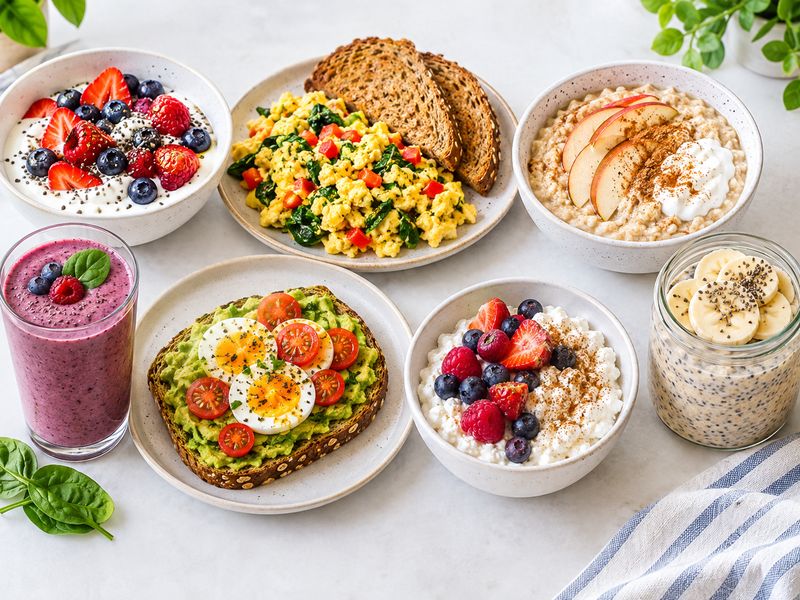
You can adjust these meals according to your appetite, dietary preferences, allergies, and nutritional needs.
| Day | Breakfast |
|---|---|
| Day 1 | Greek yogurt topped with fresh berries and chia seeds. |
| Day 2 | Vegetable scrambled eggs with whole-grain toast. |
| Day 3 | Warm apple cinnamon oatmeal served with Greek yogurt. |
| Day 4 | Berry and spinach smoothie blended with plain yogurt. |
| Day 5 | Avocado egg toast with fresh sliced tomatoes. |
| Day 6 | Cottage cheese with berries and a sprinkle of cinnamon. |
| Day 7 | Overnight oats with banana and cinnamon, prepared the night before. |
Small habits can make your morning meals easier to manage.
- Plan ahead: Prepare ingredients the night before whenever possible.
- Watch portions: Even nutritious foods can contribute significant calories when eaten in large amounts.
- Prioritize protein: Include eggs, yogurt, cottage cheese, or another suitable protein source.
- Add produce: Fruit and vegetables can provide fiber, vitamins, minerals, and natural flavor.
- Limit added sugar: Use fruit, cinnamon, or vanilla to add flavor.
- Stay hydrated: Begin the day with water and choose unsweetened beverages more often.
- Keep variety: Rotating different breakfast options can make healthy eating more enjoyable.
Common Mistakes to Avoid
Choosing a low-calorie meal does not always mean choosing a nutritious meal. Therefore, avoid focusing only on the number of calories and consider the overall nutritional value of your breakfast.
Another common mistake is skipping protein. A breakfast made mostly from refined carbohydrates may not be as satisfying as one that combines protein and fiber.
It is also easy to underestimate portions of calorie-dense ingredients such as nuts, seeds, nut butter, avocado, and oils. These foods can be part of a balanced breakfast, but portion awareness remains useful.
Finally, avoid making breakfast unnecessarily complicated. Simple meals that you can prepare consistently are often easier to maintain than elaborate recipes.
Conclusion
A low calorie breakfast does not have to be boring, restrictive, or complicated. By combining protein-rich foods, fiber, fruits, vegetables, whole grains, and sensible portions, you can create meals that are both nutritious and enjoyable.
Simple choices such as Greek yogurt with berries, vegetable eggs, oatmeal, smoothies, and overnight oats can provide plenty of variety throughout the week. Most importantly, focus on the quality and balance of your overall diet rather than trying to make every breakfast as low in calories as possible.
With a little preparation and a selection of wholesome ingredients, breakfast can become an easy part of a balanced lifestyle. Choose meals that fit your personal preferences, nutritional needs, and daily routine so that healthy eating remains practical and enjoyable over time.
Frequently Asked Questions
1. What is a good low calorie breakfast?
A balanced breakfast such as Greek yogurt with berries, vegetable eggs, or oatmeal with fruit can provide useful nutrients without being overly heavy.
2. Can I eat eggs for a low calorie breakfast?
Yes, eggs can fit into a balanced breakfast when paired with vegetables, whole grains, or other nutrient-rich foods.
3. Is oatmeal good for a low calorie breakfast?
Yes, oatmeal can be a nutritious choice because oats provide carbohydrates and fiber, especially when paired with fruit and a protein source.
4. What can I eat for breakfast when trying to manage my weight?
Choose a combination of protein, fiber-rich foods, fruit or vegetables, and moderate portions that fit your individual nutritional needs.
5. Can smoothies be part of a low calorie breakfast?
Yes, a smoothie can be a balanced option when it is made with nutrient-rich ingredients such as berries, vegetables, plain yogurt, and an appropriate liquid.