
Knowing how long to boil chicken breast helps you prepare tender, juicy chicken without overcooking it. The right cooking time depends on the size, thickness, and type of chicken you use.
Whether you need shredded chicken for sandwiches or sliced chicken for a healthy dinner, boiling is a simple and convenient cooking method.
With a few basic ingredients and the right technique, you can make flavorful chicken for many everyday meals.
This guide explains cooking times, step-by-step instructions, helpful tips, and common mistakes to avoid.
How Long to Boil Chicken Breast?
Chicken breast usually takes about 12–20 minutes to cook after the water reaches a gentle simmer, depending on its thickness and whether it is boneless or bone-in. Smaller pieces cook faster, while large, thick breasts need more time.
For the best results, avoid keeping the chicken in a vigorous rolling boil. Instead, bring the water to a boil, reduce the heat, and maintain a gentle simmer until the meat is cooked through.
The most reliable way to check doneness is with a food thermometer. Chicken must reach an internal temperature of 165°F (74°C) at its thickest point to be safe to eat. USDA food-safety guidance.
Boiling Time for Different Types of Chicken Breast
The following table provides practical estimates for planning your cooking time. Actual times can vary with thickness, starting temperature, and the amount of water used.
| Type of chicken | Approximate simmering time |
| Small, boneless chicken breast | 10–12 minutes |
| Medium, boneless chicken breast | 12–15 minutes |
| Large, thick chicken breast | 15–20 minutes |
| Bone-in chicken breast | 25–35 minutes |
| Boneless chicken breast pieces | 8–12 minutes |
| Frozen chicken breast | Allow extra time and check carefully |
These times are estimates, not a guarantee of doneness. Always confirm that the thickest part reaches 165°F (74°C). For frozen chicken, allow additional cooking time and use a thermometer rather than relying on a fixed number of minutes.
What You Need to Boil Chicken Breast
One advantage of boiled chicken is that you do not need many ingredients. A few simple seasonings can add flavor to the cooking liquid, helping the meat taste better even when you use it in another recipe.
Ingredients for Flavorful Boiled Chicken

- 2 boneless, skinless chicken breasts
- 4 cups water, or enough to cover the chicken
- 1 teaspoon salt, or to taste
- 2 garlic cloves, lightly crushed
- ½ teaspoon black pepper
- ½ small onion, sliced
- 1 bay leaf (optional)
- A few parsley sprigs (optional)
You can adjust these ingredients to suit your taste. For example, add a little lemon juice for a fresh flavor or use low-sodium chicken broth instead of water for a richer result.
How to Boil Chicken Breast Step by Step
Cooking chicken breast on the stovetop is straightforward when you follow the right order. The goal is to cook the meat evenly while keeping it moist enough to slice or shred easily.
Step 1: Prepare the Chicken
Remove the chicken breasts from their packaging and check for any unwanted pieces of fat. Do not rinse raw chicken under running water, as splashing can spread bacteria around your sink and kitchen surfaces.
If the breasts are unusually thick, you can gently pound them to a more even thickness. This helps them cook more consistently, although it may also shorten the cooking time.
Step 2: Add the Chicken and Seasonings to a Pot

Place the chicken in a saucepan or medium-sized pot in a single layer. Add the water, salt, garlic, onion, black pepper, and any optional herbs.
Make sure the chicken is covered by the liquid. If necessary, add a little more water so the exposed portions do not remain above the surface during cooking.
Step 3: Bring the Water to a Boil

Place the pot over medium-high heat and bring the water to a boil. As soon as it starts bubbling steadily, lower the heat to maintain a gentle simmer.
A strong, continuous boil can cause the outer parts of the chicken to cook too aggressively before the center is ready. Gentle heat helps you manage the process more evenly.
Step 4: Simmer Until the Chicken Is Cooked
Let the chicken simmer according to its size and thickness. Start checking smaller breasts early, especially if they are thin or have been flattened.
Use a food thermometer to measure the temperature in the thickest part of each breast. Remove the chicken from the heat when it reaches 165°F (74°C).
If the center has not reached the required temperature, continue simmering and check again after a few minutes.
Step 5: Rest Before Slicing or Shredding
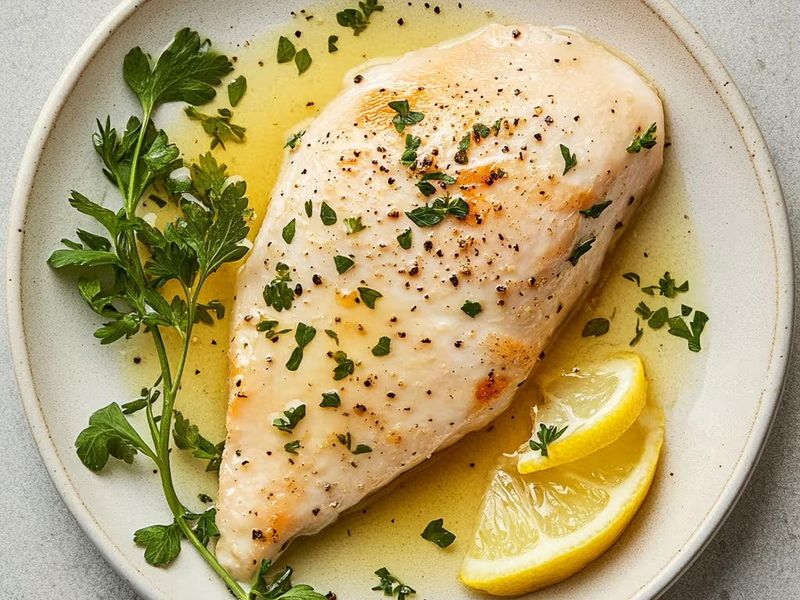
Transfer the cooked chicken to a clean plate and allow it to rest for about five minutes. This brief pause makes it easier to handle and can help retain moisture when you cut it.
After resting, slice the chicken against the grain or shred it using two forks. You can also save the strained cooking liquid for soups, sauces, or rice dishes, provided it has been handled safely.
How to Keep Boiled Chicken Breast Tender and Juicy
Chicken breast is naturally lean, so it can become dry if it is cooked longer than necessary. Fortunately, a few simple techniques can make a noticeable difference.
Use Gentle Heat
Once the water begins boiling, reduce the heat rather than leaving the pot at a rolling boil. Steady, gentle simmering gives the chicken time to cook without unnecessarily roughening its texture.
Avoid Overcooking
Cooking longer than needed can make chicken breast firm, stringy, and difficult to chew. Begin checking the temperature toward the lower end of the estimated cooking range.
Remember that the thermometer, rather than the appearance of the meat alone, determines whether it has reached a safe temperature.
Season the Cooking Liquid
Plain water works, but aromatics such as garlic, onion, pepper, and herbs give the chicken a more pleasant flavor. Chicken broth is another useful option when you want a richer taste.
However, seasoning the liquid does not replace proper cooking or safe handling.
Let the Chicken Rest Briefly
Cutting the chicken immediately after removing it from the pot can release some of its juices onto the cutting board. A short rest makes slicing and shredding easier and helps the meat remain more pleasant to eat.
How to Tell When Chicken Breast Is Fully Cooked
A properly cooked chicken breast should feel firm and have an opaque interior. However, color and texture alone cannot reliably confirm food safety.
Check the Internal Temperature

Insert an instant-read food thermometer into the thickest part of the breast without touching the pot. The reading should reach at least 165°F (74°C).
If you are cooking several pieces, check each one because their thicknesses may differ. This is especially important when the pieces are not all the same size.
Look at the Texture
Once the chicken is cooked, the flesh will generally appear opaque rather than translucent. It should be easy to slice or pull apart with a fork, depending on the cut.
Nevertheless, do not use clear juices or white meat as your only test. A thermometer gives you a more dependable answer.
Can You Boil Frozen Chicken Breast?
Yes, you can cook chicken breast directly from frozen on the stovetop, provided you cook it thoroughly and check the temperature carefully. However, frozen breasts generally require more time than thawed ones.
Keep the pieces separated when possible, and use enough water to cover them. As the chicken begins to thaw and cook, check the thickest section with a thermometer.
For more predictable timing, thaw chicken safely in the refrigerator before cooking. Avoid leaving raw chicken on the counter to thaw at room temperature.
What Can You Make With Boiled Chicken Breast?
Boiled chicken is useful because its mild flavor works with many ingredients and seasonings. After cooking, you can prepare several meals from one batch.
Chicken Salads and Sandwiches
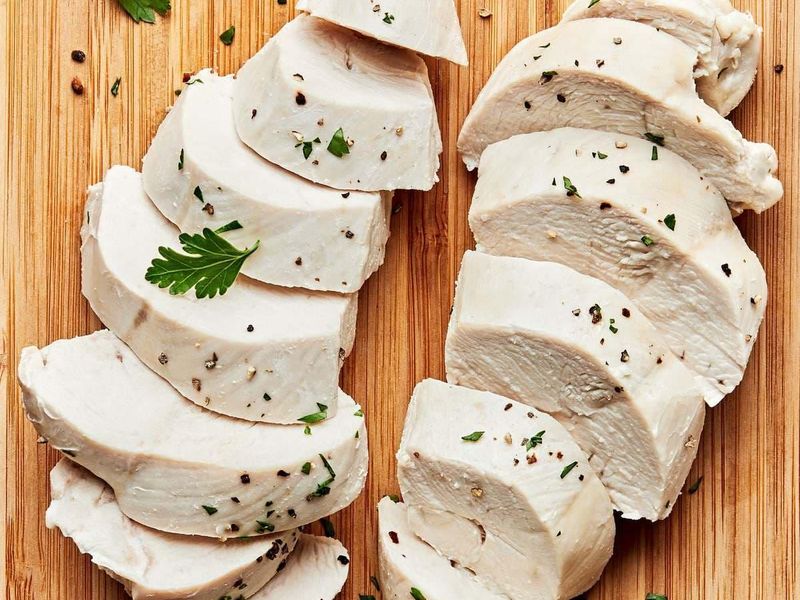
Shredded or diced chicken makes a convenient addition to green salads, wraps, and sandwiches. Combine it with crunchy vegetables, herbs, and your preferred dressing for a quick lunch.
For more ideas, explore sandwich recipes for lunch on FitHealthyMeals.
Soups and Comforting Meals
Boiled chicken can be added to vegetable soup, chicken noodle soup, or a homemade broth. You can also use the cooking liquid as a starting point for a flavorful soup base.
For another comforting meal, try the healthy chicken soup recipe.
Rice Bowls and Meal Prep

Slice the cooked chicken and serve it over rice with roasted vegetables or steamed greens. Add a sauce, fresh herbs, or a squeeze of lemon to bring the ingredients together.
Preparing chicken ahead of time can also make weekday lunches easier. Divide it into portions and refrigerate or freeze it promptly in suitable containers.
How to Store Boiled Chicken Breast Safely
Proper storage helps preserve cooked chicken and makes leftovers easier to use in future meals.
- Refrigerator: Store cooked chicken in a covered, airtight container and use it within 3–4 days.
- Freezer: Freeze in suitable airtight packaging for better quality, and label the container with the date.
- Cooling: Refrigerate perishable food within two hours of cooking, or within one hour if the temperature is above 90°F (32°C).
- Reheating: Reheat leftovers to 165°F (74°C) before serving.
These recommendations follow general food-safety guidance. If you will not use the chicken within a few days, freezing individual portions is a practical option.
Common Mistakes to Avoid When Boiling Chicken
Even a simple cooking method can produce disappointing results if a few details are overlooked.
Keeping the Heat Too High
A vigorous boil is unnecessary for cooking chicken breast. Reduce the heat once the water boils so the liquid simmers gently.
Using the Same Cooking Time for Every Breast
Thin chicken breasts and thick ones do not cook at the same speed. Use the timing chart as a starting point, then check the internal temperature.
Adding Too Little Water
If parts of the chicken remain uncovered, they may cook less evenly. Add enough liquid to cover the breasts and use a suitably sized pot.
Skipping the Thermometer
Judging doneness by color alone can be misleading. Checking the center with a food thermometer is the best way to confirm that the chicken is safe to eat.
Leaving Cooked Chicken Out Too Long
Do not leave cooked chicken at room temperature for extended periods. Refrigerate leftovers promptly to reduce the risk of foodborne illness.
Conclusion
Knowing how long to boil chicken breast makes everyday meal preparation simpler and more reliable. Most boneless breasts need around 12–20 minutes of gentle simmering, although thicker pieces may take longer. For safe results, always check that the center reaches 165°F (74°C) instead of relying on time or appearance alone.
Once cooked, let the chicken rest briefly before slicing or shredding it. You can then add it to salads, sandwiches, soups, and rice bowls for convenient homemade meals. With gentle heat, simple seasonings, and proper storage, boiled chicken breast can become a useful staple in your kitchen.
Frequently Asked Questions
1. How long does it take to boil boneless chicken breast?
Boneless chicken breast generally takes about 12–20 minutes at a gentle simmer, depending on its thickness. Check that the center reaches 165°F (74°C).
2. Should I boil chicken breast with the lid on?
Yes, you can cover the pot partially or fully to help maintain a steady simmer. Keep an eye on the liquid so it does not boil over.
3. Is it better to boil chicken breast on high or low heat?
Bring the water to a boil over medium-high heat, then reduce it to a gentle simmer. This makes it easier to control the cooking process.
4. Can I shred chicken breast immediately after boiling?
You can shred it once it is cooked, but resting it for about five minutes makes it easier to handle. Two forks work well for separating the meat into strands.
5. How do I know when boiled chicken breast is safe to eat?
Check the thickest part with a food thermometer. The internal temperature must reach 165°F (74°C), regardless of the estimated cooking time.